Table of Contents
Fresh paint can brighten a room, but fumes and work zones can disrupt the day. A residential painting contractor can help you plan room access and ventilation before work starts. Talk to Walls & Builds about your Los Angeles home’s needs. The right plan depends on the paint, the work area, and everyone in the household.
Key Takeaways
- Plan for time away: The Environmental Protection Agency recommends scheduling interior painting while the home is unoccupied whenever possible.
- Confirm ventilation: Ask your residential painting contractor how air will move outdoors and how long ventilation should continue.
- Protect children and pets: Keep them away from work areas, paint supplies, dust, and vapors.
- Check older paint: Discuss lead-safe requirements before disturbing painted surfaces in homes built before 1978.
- Follow reentry instructions: Paint can release compounds after it feels dry, so follow product directions and consider household health needs before using the room.
Have a project in mind?
Tell us what you need and we’ll help you plan the next step. Get a clear estimate for your flooring, painting, remodeling, or home improvement project.
Free estimate. Clear answers. No pressure.
Can You Stay Home While Interior Painters Work?
You may be able to stay home while interior painters work, but the decision depends on the paint, ventilation, and household needs. According to the U.S. Environmental Protection Agency (EPA), schedule painting when the home is unoccupied, if possible. Discuss the work area and product directions before your interior painting project.
When Should You Consider Leaving?
Consider staying elsewhere if you cannot avoid fumes or use essential rooms. The project’s scope and the needs of your household should guide the plan.
Limited Ventilation
Poor ventilation can allow paint fumes to build up inside. Ask the crew how air will move outdoors and consider leaving if fresh air is limited.
Whole-Home Projects
Painting several rooms at once can leave no place to sleep or prepare meals. Ask the painter what space will remain accessible throughout the project.
Sensitive Household Members
According to the EPA, young children and people with breathing problems should avoid paint vapors. Pregnant people and anyone with health concerns can ask a healthcare professional about staying elsewhere; a veterinarian can help with pet concerns.
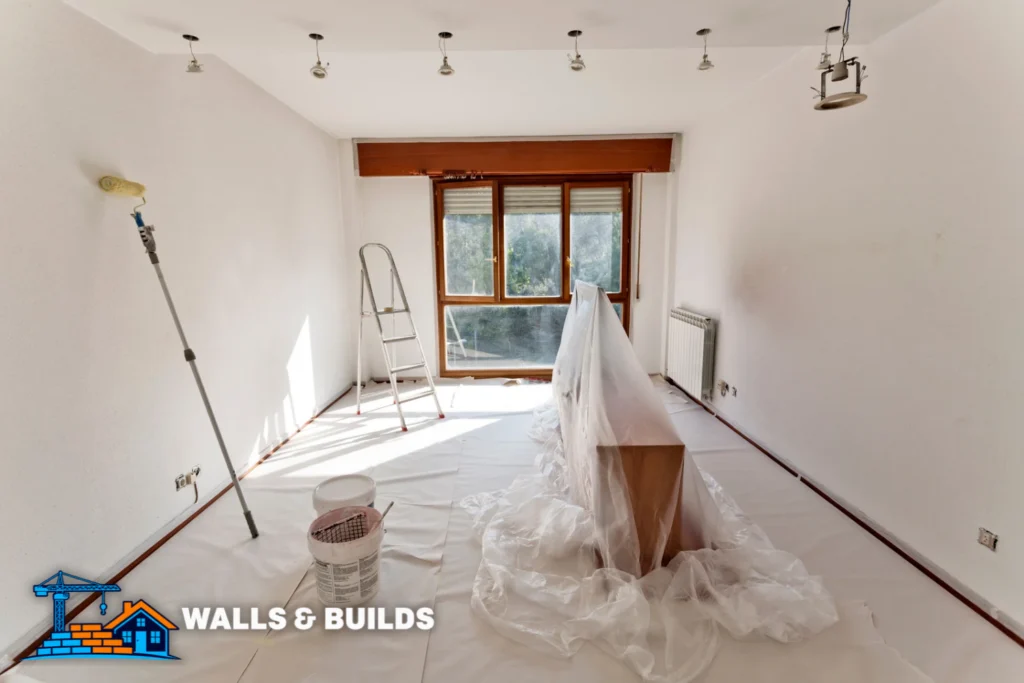
How Can a Residential Painting Contractor Manage Fumes
A residential painting contractor can discuss paint products and a ventilation plan before work begins. The plan should account for the painting area and any occupied rooms.
A Residential Painter’s Ventilation Plan
Residential painters may open suitable windows and use a secured fan to exhaust air outside. The EPA recommends ventilating during painting and, when possible, for two to three days afterward. If older paint may contain lead, follow a qualified professional’s containment plan instead of opening a sealed work area.
Low-VOC Paint Options
Volatile organic compounds (VOCs) are chemicals that can enter the air from paint. A low-VOC label does not guarantee odor-free paint or the absence of other harmful chemicals, so follow the product instructions and maintain ventilation.
How Do House Painters Protect Your Space?
House painters can discuss how the crew will protect belongings and separate the work area. Confirm each step before the project begins.
Separated Work Areas
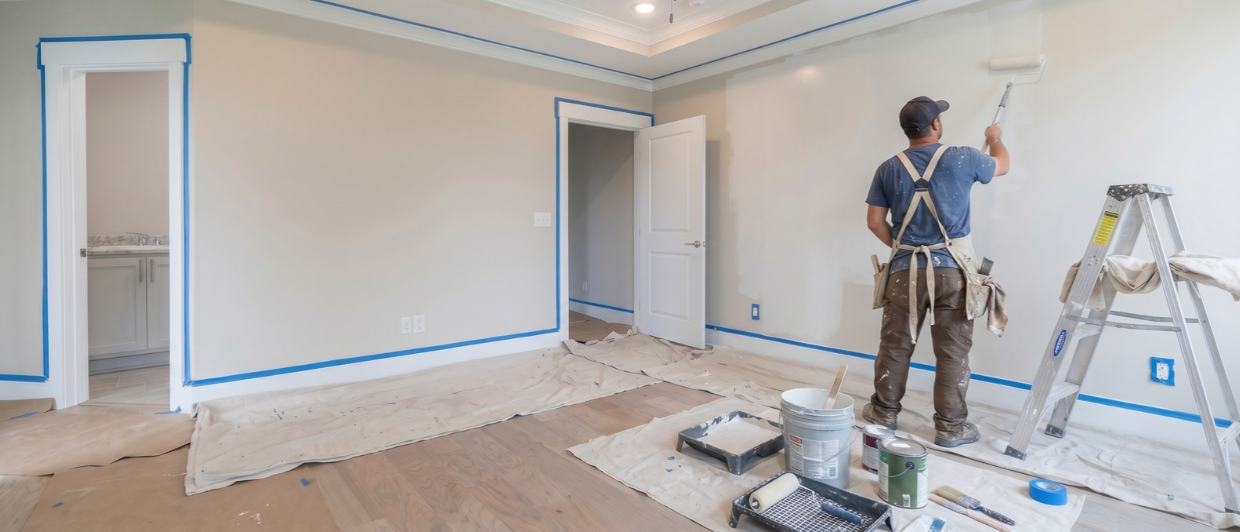
A separated work area helps keep household members away from ladders, wet paint, and supplies. Ask how dust from any drywall repairs will be contained.
Covered Floors and Furniture
Coverings can protect furniture and floors from paint splashes. Confirm which items the painting company will move and cover before the crew arrives.
Clear Paths and Exits
Clear routes help household members reach doors and essential rooms without crossing the work zone. Agree on access to the kitchen, bathroom, and exits each day.
Have a project in mind?
Tell us what you need and we’ll help you plan the next step. Get a clear estimate for your flooring, painting, remodeling, or home improvement project.
Free estimate. Clear answers. No pressure.
How Should You Plan for Children and Pets?
Children and pets need a plan that keeps them away from paint supplies and vapors. Before work starts, discuss these steps with the crew:
- Arrange supervision away from active work areas.
- Keep children and pets away from paint, dust, and fumes.
- Plan time elsewhere if fumes can reach occupied rooms.
- Ask when each painted room can be used again.
What If Your Home Was Built before 1978?
Homes built before 1978 may have lead-based paint, which can release lead dust when sanded or scraped. Tell the contractor the home’s age and discuss an assessment before disturbing old paint.
Federal lead-safe rules require certified firms for many paid projects that disturb paint in pre-1978 homes, and California requirements may also apply. Keep people and pets out of the contained work area until required cleanup is complete and the qualified crew confirms access.
When Can You Return to a Painted Room?
The time to return to a painted room depends on the product, ventilation, and who will use it. The EPA recommends avoiding freshly painted rooms for two to three days whenever possible.
According to a 2022 study indexed by PubMed, some tested paints released certain compounds for 48 hours or longer after application. The laboratory findings do not establish a safe return time for every home, so follow product directions and discuss reentry with the painter.
What Should You Ask Local Painters?
Ask local painters how work will affect occupied rooms and the daily schedule. A clear plan can help you decide where the household will stay.
How Will You Separate Work Areas and Control Dust?
Ask the painting company how the crew will separate work areas and contain dust. Confirm which rooms will be closed and for how long.
Which Rooms Will You Paint First?
An interior house painter can map a room-by-room schedule so you know which spaces will be available. If you plan to update only worn areas, review when rooms need repainting before discussing the order.
When Can We Use Each Room Again?
Ask the painting company how the product directions affect ventilation and room use. Compare the scope and interior painting costs before approving the plan.
Have a project in mind?
Tell us what you need and we’ll help you plan the next step. Get a clear estimate for your flooring, painting, remodeling, or home improvement project.
Free estimate. Clear answers. No pressure.
Frequently Asked Questions
Can you sleep in a freshly painted bedroom?
The EPA recommends avoiding a freshly painted room for two to three days whenever possible; follow product directions and consider individual health needs.
How long do paint fumes last indoors?
Fumes can linger long after the paint feels dry, and their duration depends on the product, ventilation, and room conditions.
Can children stay in the house during interior painting?
Young children should avoid paint vapors and work areas; if fumes can reach occupied rooms, they may need to stay elsewhere.
Can pets stay in the house while painters work?
Keep pets away from paint, vapors, and work areas; arrange another location if fumes can reach the room where pets stay.
How long should you wait before moving furniture back after painting?
Move furniture back after the paint and finishes have dried as directed; ask the painter when you can touch the walls without causing damage.
What’s Your Painting-Day Plan?
A painting-day plan starts with the work area and everyone’s needs at home. Review the product labels and ask where children and pets can stay during the work. If you are planning an interior project in Los Angeles, contact Walls & Builds to discuss the work and request an estimate.